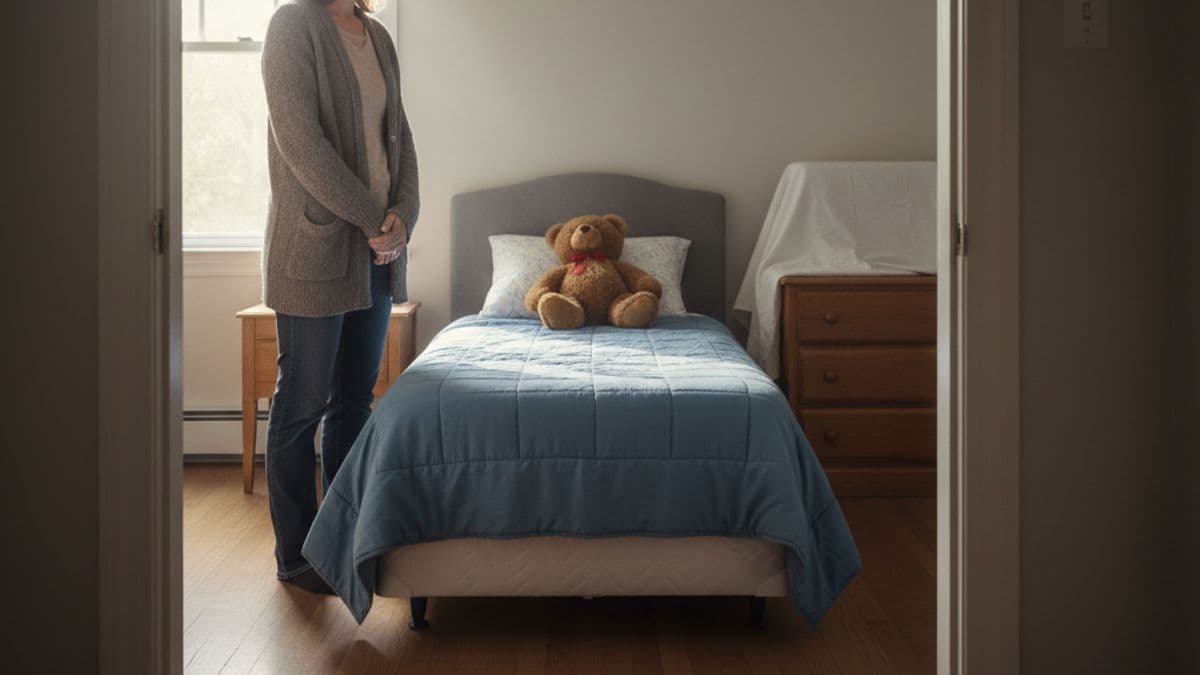
The House Is Quiet — Now What
For years, your home was full. Full of noise, mess, activity, homework crises, last-minute dinner requests, and the constant presence of people who needed you. Then one day — sometimes gradually, sometimes all at once — they leave, perhaps heading off to college or a new city. And the silence is deafening.
Empty nest syndrome is not a clinical diagnosis, but the feelings are very real: sadness, purposelessness, loneliness, and a strange grief for a phase of life that ended while you were still in the middle of living it. If you are feeling this way, you are not being dramatic. You are mourning one of the biggest transitions in adult life.
Acknowledge the Loss Before You Try to Fix It
Well-meaning friends will rush to tell you how great this phase is: "You have so much freedom now!" And they are right — eventually. But before you can enjoy the freedom, you have to sit with the loss.
- Let yourself be sad — Crying in your child's empty bedroom is not pathetic. It is the natural response to a massive change in your daily life.
- Name what you are feeling — Are you missing the routine? The physical closeness? The feeling of being needed? The more specific you can be, the easier it is to address.
- Do not compare timelines — Your neighbor might have adjusted in a week. That does not mean you should have. Transitions take as long as they take.
- Talk about it — With your partner, with friends who are in the same stage, or with a therapist. Keeping these feelings bottled up makes them heavier.
Rediscover Who You Are Outside of Parenting
When you spend eighteen or more years defining yourself primarily as a parent, it takes real effort to remember who you were before — and to discover who you want to be now.
- Revisit old interests — What did you love before kids? Music, painting, hiking, reading, cooking, traveling? Pick one and dive back in.
- Try something completely new — Take a class, join a league, learn an instrument, start a garden. Novelty activates parts of your brain that routine numbs.
- Invest in your career or start a new one — With more time and mental bandwidth, this could be the moment to pursue a promotion, switch fields, or start the business you have been thinking about.
- Reconnect with your partner — If you are married or in a relationship, this transition can either drive you apart or pull you together. Choose to date each other again. Eat dinner at the table. Go out on weekday nights. Remember why you fell in love.
- Strengthen friendships — Make plans with friends you drifted from during the busy parenting years. Those relationships are worth rebuilding.
Stay Connected With Your Adult Children
Your kids leaving home is not the end of your relationship — it is the beginning of a new version of it. The goal is to evolve from being their manager to being their trusted advisor and friend.
- Let them set the pace — Some kids call every day. Others check in once a week. Respect their rhythm and resist the urge to fill the silence with your anxiety.
- Be interested, not interrogating — Ask open-ended questions about their life. Listen more than you advise. They are more likely to share when they do not feel cross-examined.
- Visit, but do not hover — Go see them, explore their new city, meet their friends. But give them space to host you on their terms.
- Send unexpected reminders of love — A care package, a funny text, a recipe they asked for, or a personalized song about your family. Small gestures keep the connection warm without being overbearing.
- Create new traditions — A monthly family video call, an annual trip, a shared playlist, or a recipe exchange. Our guide on staying connected with loved ones far away has more ideas. Build new rituals that fit your evolving family structure.
Transform Your Space
Living in a house full of empty bedrooms can make the absence feel louder. Reclaiming your space is a physical step toward emotional adjustment.
- Redecorate or repurpose rooms — Turn a bedroom into a home office, art studio, workout space, or library. You do not have to erase your child's presence, but you can make the space work for your current life.
- Downsize if it makes sense — Some empty nesters thrive after moving to a smaller home, a new neighborhood, or even a new city. If the house feels too big, you are allowed to admit that.
- Create a welcoming guest room — Keep one space ready for when your kids come home to visit. It tells them they always have a place here.
When Empty Nest Syndrome Feels Like More Than Sadness
For most parents, the intensity of empty nest feelings fades over weeks or months as a new routine develops. But for some, the sadness deepens into something that feels harder to shake.
- Seek help if you are experiencing persistent depression, loss of interest in everything, difficulty sleeping, or feelings of hopelessness that last more than a few weeks.
- Therapy can help — A therapist can help you process the transition, grieve the chapter that ended, and build a vision for the chapter ahead.
- It is not selfish to focus on yourself — You gave your children everything for years. Investing in your own wellbeing now is not abandoning them — it is modeling what a full, healthy adult life looks like.
This Chapter Has Its Own Gifts
Empty nest syndrome is real, and it hurts. But so is the other side of it: the freedom to sleep in, the quiet mornings with coffee, the ability to travel spontaneously, the rediscovery of your own identity, and the deep pride of watching your children build their own lives.
You raised them well enough that they were ready to go. That is not something to mourn — it is something to celebrate. And if you want to mark this transition with something meaningful, a personalized song about your family's journey can capture everything you feel in a way that brings you comfort for years to come. Explore missing you songs and give yourself a gift that honors what you built.