Why Moving Is So Hard for Children
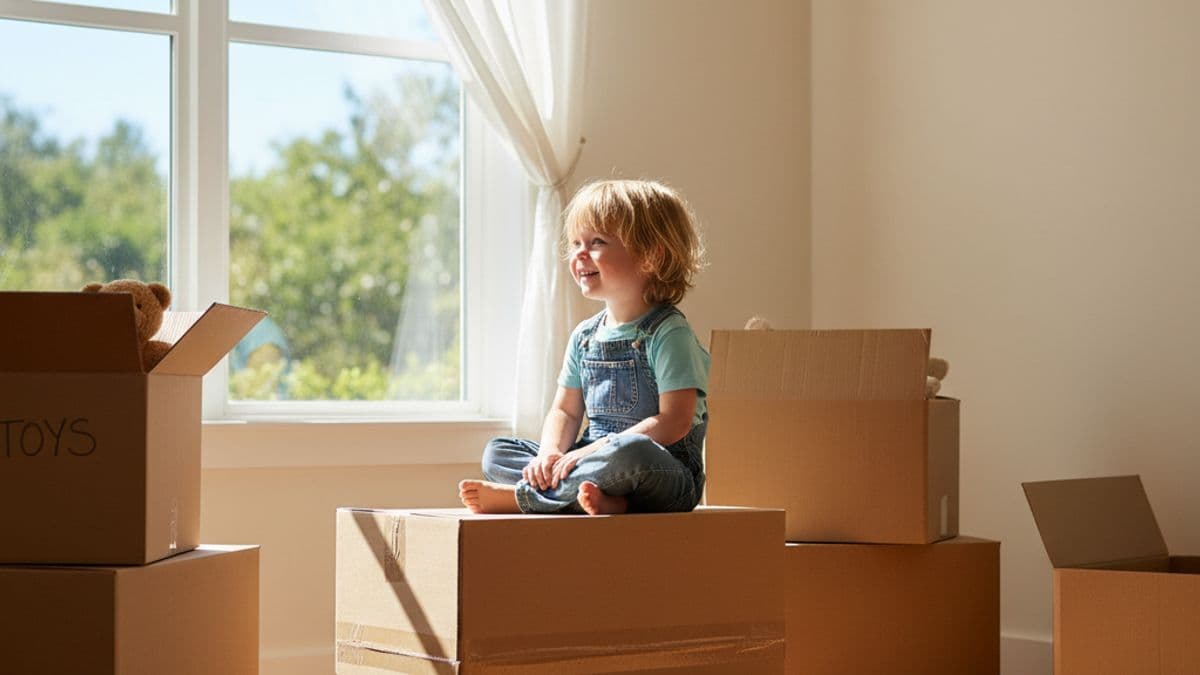
For adults, a move might represent a fresh start or an exciting opportunity. For children, it often represents the loss of everything familiar: their room, their neighborhood, their school, and their friends. Children do not have the life experience to know that they will adjust, that they will make new friends, and that the new house will eventually feel like home. All they know is that their world is changing, and they did not choose for it to happen.
Understanding this perspective is the first step toward helping your child through a move. Their grief over leaving is not dramatic or irrational — it is proportional to the only world they have ever known. When you honor those feelings, you give your child permission to process the transition rather than suppress it.
Talk About It Early and Honestly
Children handle change better when they have time to process it. As soon as a move is certain, have an age-appropriate conversation about what is happening and why. Be honest about the fact that some things will be different, while reassuring them about what will stay the same.
Key points to cover:
- Why your family is moving and what the positive reasons are
- What the new home and neighborhood are like (show photos or videos if possible)
- What will stay the same — their toys, their family, their pets, their bedtime routine
- That it is completely normal to feel sad, nervous, or even angry about the change
- That their feelings matter and you want to hear about them along the way
Avoid over-promising. Saying "you will love the new school" sets up a standard they might not immediately meet. Instead, try "it might take a little time, and that is okay. We will figure it out together."
Let Them Be Part of the Process
One of the hardest parts of moving for a child is the feeling of powerlessness. They did not decide to move, and they cannot stop it. Giving them age-appropriate control over parts of the process helps restore their sense of agency:
- Let them choose the paint color for their new room
- Involve them in packing their own belongings and deciding what to keep
- Give them a disposable camera or phone to photograph their favorite spots in the old house and neighborhood — these photos can later become part of a time capsule
- Let them plan one last special outing or goodbye gathering with friends
- Ask for their input on how to set up their new room
When children feel like active participants rather than passive passengers, the move feels less like something happening to them and more like something they are part of.
Create a Transition Keepsake
Marking the transition with something tangible gives children a bridge between their old life and their new one. A few ideas that families have found meaningful:
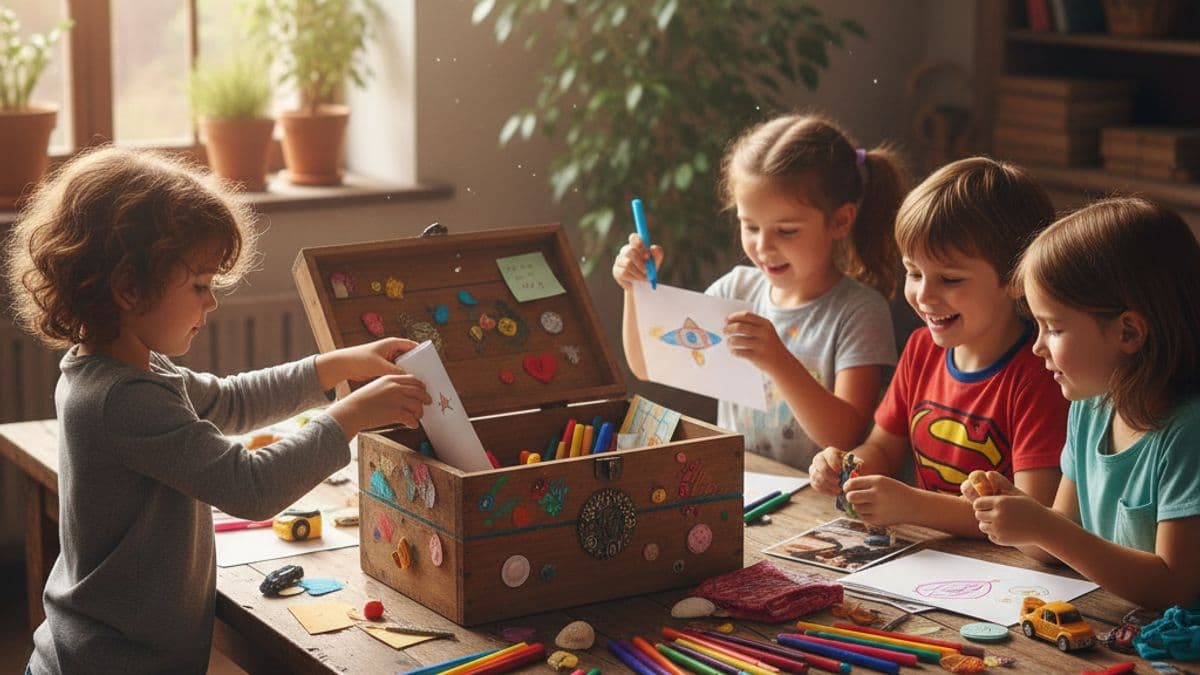
- A memory box filled with items from the old home — a leaf from the yard, a photo of their room, a stone from the walkway
- A friendship book where their old friends write messages, draw pictures, and share contact information
- A personalized song that captures this moment in their life — a custom song for your child can acknowledge the difficulty of leaving while celebrating the adventure ahead
- A photo album of their favorite memories in the old house, organized and captioned together
A personalized song is especially powerful because it can be played anytime your child misses their old home. Hearing their name in a song that validates their feelings and reminds them they are brave becomes a source of comfort during the hardest days of the transition.
Maintain Routines Through the Chaos
Moving disrupts nearly every routine a child depends on. While you cannot avoid all disruption, protecting a few key routines can make an enormous difference in your child's sense of stability:
- Keep bedtime and mealtime schedules as consistent as possible, even during the move itself
- Unpack your child's room first so they have a familiar space in the new house right away
- Maintain bedtime reading, lullabies, and other nightly rituals without interruption
- Stick with the same after-school snack, weekend morning routine, and family traditions
These anchors of normalcy tell your child that even though the surroundings have changed, the family itself has not. The routines they count on are still there.
Help Them Say Goodbye Properly
Rushing the goodbye makes the transition harder, not easier. Give your child time and space to say goodbye to the places and people that matter to them:
- Visit favorite spots one last time — the park, the library, a friend's house, their school
- Host a small farewell gathering where friends can exchange contact info and promises to stay in touch
- Walk through every room of the old house together and share a favorite memory from each one
- Write a letter or draw a picture for the next family who will live in the house
Proper goodbyes give children closure. They are not pretending the old life did not matter — they are honoring it before moving forward.
Ease Into the New Normal
Once you arrive at the new home, give your child time to adjust without pressure. Do not expect them to love it immediately or make friends in the first week. Instead, focus on exploration and small wins:
- Take a walk around the new neighborhood together and discover what is nearby
- Let them personalize their new room with familiar items from home
- Explore the new school before classes start if possible
- Look for one activity or club where they might meet kids with similar interests
Adjustment is a process, not a moment. Some children adapt quickly, while others need weeks or months. Both timelines are normal.
Remind Them That Home Is the People, Not the Place
The most reassuring thing you can tell your child during a move is that home is wherever your family is together. The walls, the yard, and the address will change, but the people who love them, the traditions that define your family, and the feeling of being safe in their parent's arms will go with them everywhere.
A personalized song can capture this message beautifully, giving your child a portable reminder of where they belong. Create one today and give your child something steady to hold onto as everything else changes.