Understanding Back-to-School Anxiety
For many children, the excitement of a new school year is overshadowed by worry. Will they like their teacher? Will they have friends in their class? What if the work is too hard? These anxieties are completely normal, but they can feel overwhelming to a child who does not yet have the tools to manage them.
Back-to-school anxiety affects children of all ages, from kindergartners facing their first classroom to middle schoolers navigating new social dynamics. As a parent, you cannot eliminate the anxiety, but you can equip your child with encouragement and rituals that remind them they are capable, loved, and never truly alone.
Validate Their Feelings First
The instinct to reassure an anxious child with "you will be fine" is understandable, but it can backfire. Children who hear that their worries are no big deal often feel that their emotions are being dismissed. Instead, try acknowledging what they are feeling before offering encouragement.
Statements like "it makes sense that you feel nervous about a new class" or "I remember feeling that way too, and it is completely okay" let your child know that their emotions are valid. Once they feel heard, they are much more receptive to the reassurance and strategies that follow. This validation does not reinforce anxiety — it actually helps resolve it by making the child feel safe enough to move through it.
Create a Courage Toolkit
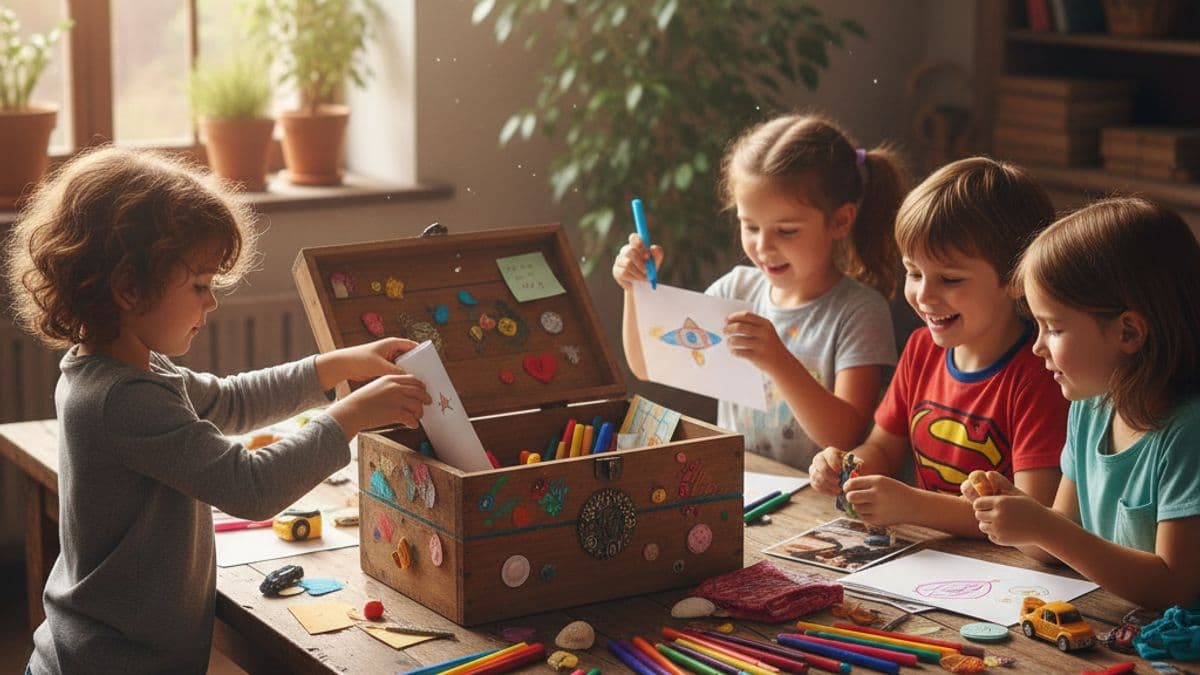
Give your child tangible things they can use when anxiety strikes during the school day. A courage toolkit might include:
- A small note in their lunchbox with an encouraging message or inside joke
- A "worry stone" or small object they can hold in their pocket when they feel nervous
- A family photo tucked into their binder or backpack
- A simple breathing technique they can practice quietly at their desk
- A code word or phrase you share that means "I believe in you" — something only your family knows
These items serve as physical reminders that their family's love and support travels with them, even when they are apart. The act of reaching into a pocket and touching a familiar object can be remarkably grounding for an anxious child.
Music as an Encouragement Tool
Music has a well-documented ability to reduce anxiety and boost confidence. Creating a back-to-school playlist with upbeat, empowering songs can set a positive tone for the morning routine. Play it while your child gets dressed, eats breakfast, and rides to school.
For an even more powerful approach, consider a personalized encouragement song written specifically for your child. Hearing their own name in a song that celebrates their bravery, their unique qualities, and the adventure that awaits them can shift their mindset from fear to excitement. Play it every morning during the first week of school and watch it become their confidence anthem. Create one here and give them a boost they can listen to anytime.
Establish Predictable Routines
Anxiety thrives on uncertainty. The more predictable you can make the back-to-school transition, the safer your child will feel. Our guide to first-day-of-school traditions has more ideas for easing the transition. Start building the school-year routine at least a week before the first day:
- Gradually adjust bedtimes and wake-up times to match the school schedule
- Practice the morning routine so it feels familiar on day one
- Visit the school together if possible, walking the route from the entrance to their classroom
- Lay out clothes and pack the backpack the night before to reduce morning stress
- Establish a consistent after-school routine that includes a debrief conversation and downtime
When children know exactly what to expect, the number of unknowns shrinks, and so does their anxiety. Predictability is not boring to an anxious child — it is reassuring.
The Power of After-School Connection
What happens after school matters just as much as what happens before. Create a reconnection ritual that your child can look forward to all day. It might be as simple as sitting together with a snack while they tell you about their day, or it might be a walk around the block where they can decompress.
Ask open-ended questions that go beyond "how was your day." Try "what was the funniest thing that happened?" or "who did you sit with at lunch?" or "was there a moment today when you felt proud of yourself?" These questions show genuine interest and help your child process their experiences in a positive way.
Reframe the Narrative Around School
Children pick up on their parents' attitudes more than most adults realize. If you talk about school as a chore or express your own anxieties about the transition, your child will absorb those feelings. Instead, frame school as a place of adventure, growth, and possibility.
Share your own positive school memories. Building family traditions around school milestones helps normalize the transition. Talk about the friends you made, the subjects that surprised you, and the teachers who made a difference. Help your child see that nervousness and excitement often feel the same in the body, and that the butterflies in their stomach might actually be excitement in disguise.
When to Seek Additional Support
Some back-to-school anxiety resolves on its own within the first few weeks. But if your child's anxiety persists, intensifies, or begins to affect their sleep, appetite, or willingness to attend school, it may be time to seek support from a school counselor or child therapist. There is no shame in getting professional help — it simply means you are taking your child's emotional health as seriously as their physical health.
Send Them Off With Confidence
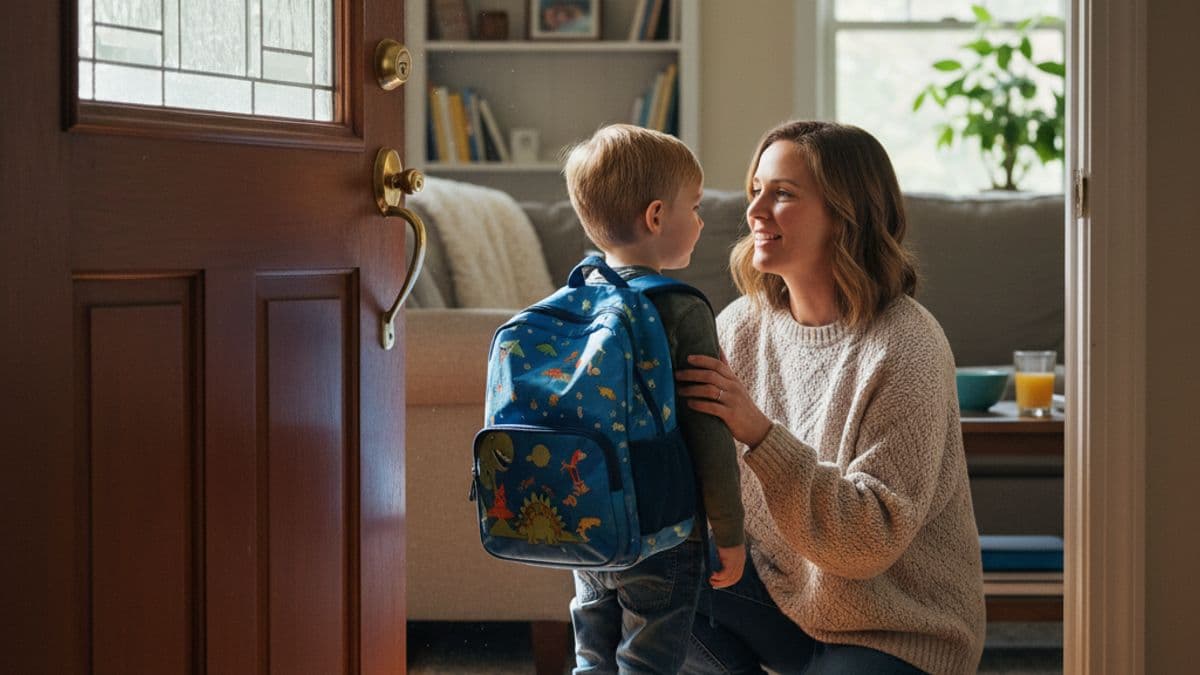
The way you say goodbye on school mornings sets the tone for your child's entire day. Keep it warm, confident, and brief. A hug, a smile, and a quick "I am so proud of you" goes further than a long, emotional farewell that might reinforce their worry.
Pair that daily encouragement with a personalized song that reminds them how brave and capable they are, and you have given your child an invisible shield of confidence they can carry into any classroom. Start creating their encouragement song today.