Every Child Has a Story Worth Telling
From the moment they were born, your child has been living a story that is entirely their own. The way they came into the world, the first word they said, the things that make them laugh, the quirks that make them uniquely themselves — all of it forms a narrative that they will want to revisit someday. The challenge is capturing it before the details fade.
Children grow up fast, and the tiny moments that seem unforgettable today have a way of blurring together over time. The parents who take the time to record their child's story, in whatever form feels right, give them one of the most meaningful gifts possible: a window back into the person they were at every stage of their life.
Writing Letters to Your Child
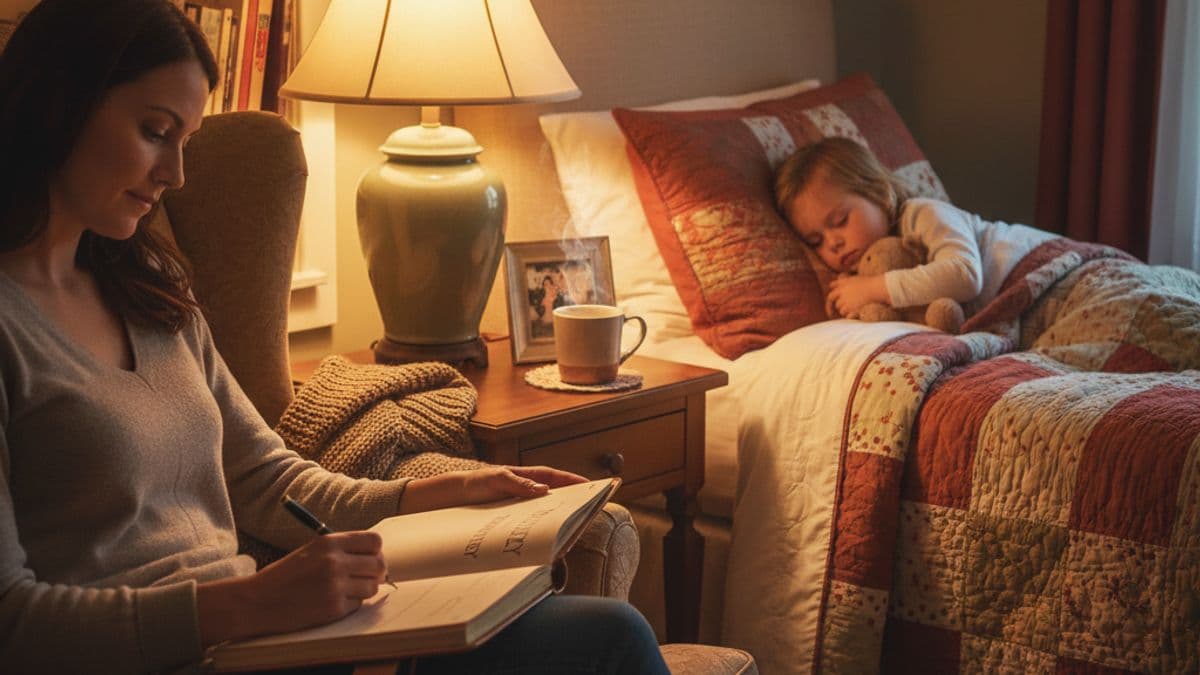
One of the simplest and most powerful ways to tell your child's story is to write them letters throughout their childhood. You do not need to be a skilled writer. Just sit down periodically and tell them what they are like right now. Describe their current obsessions, the funny things they said this week, what makes them special, and what you hope for their future.
Some parents write a letter on every birthday. Others write when the spirit moves them, maybe after a particularly beautiful day together or during a difficult season. Store the letters in a box, a binder, or a journal, and present the collection at a milestone birthday or graduation. Reading through years of letters from a parent who was paying attention is an experience that no child forgets.
Capturing Their Story Through Music
A song has a unique ability to distill a person's essence into something that can be felt as much as heard. A personalized song for your child takes the details that make them who they are — their name, their personality, your favorite memories together — and weaves them into a melody they can carry forever.
Unlike a letter they might read once or twice, a song gets played over and over. It becomes the background music of their childhood and later a powerful trigger for memories they might otherwise have forgotten. You can create a custom song that tells your child's story in a way they will treasure at every age.
Building a Visual Record
Photos and videos are the most common way parents document their children's lives, but they become more meaningful when they are organized with intention. Consider these approaches:
- An annual photo book with captions describing what was happening in each photo and what your child was like that year
- A monthly video diary where you record a short clip of your child talking about their favorite things, their friends, and what they want to be when they grow up
- A "same spot" photo series taken in the same location each year to show growth over time
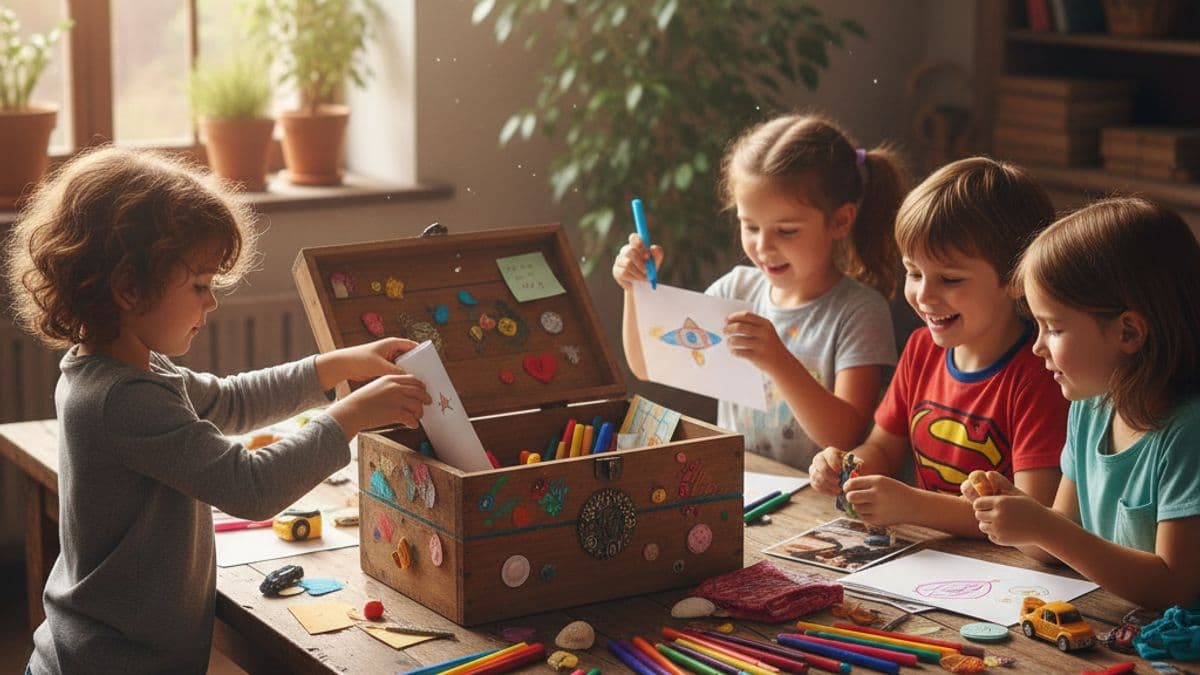
- A shadow box or time capsule for each year containing small mementos like a lost tooth, a favorite drawing, a ticket stub, or a school photo
The key is adding context. A photo without a caption is just an image. A photo with a note about why that day mattered becomes a piece of their story.
Interviewing Your Child
Children say the most remarkable things when you ask them simple questions and actually record the answers. Start an annual interview tradition with questions like:
- What is your favorite thing to do?
- Who is your best friend and what do you like about them?
- What makes you happy? What makes you sad?
- What do you want to be when you grow up?
- What is the best thing about being your age?
- What is something you learned this year that surprised you?
Record these on video or write down their answers word for word, including the grammar mistakes and childlike phrasing. Those imperfections are exactly what makes it precious later on. Watching a series of annual interviews is like watching their personality unfold in real time.
Creating a Family Narrative
Your child's story does not exist in isolation. It is part of a larger family narrative that includes where they came from, the people who love them, and the values they are growing up with. Help them understand their place in this bigger story by sharing:
- The story of how you chose their name and what it means
- Family history and stories about grandparents and great-grandparents
- The story of the day they were born, told in vivid detail
- Family traditions that have been passed down through generations
Children who understand their family's story develop a stronger sense of identity and belonging. They know they are part of something larger than themselves, and that knowledge becomes a source of strength throughout their lives.
Choosing the Right Medium
There is no single right way to tell your child's story. The best approach is the one you will actually stick with. If you love writing, letters and journals are natural. If you are more visual, photo books and video diaries might be your thing. If music moves you, a personalized song captures emotion in a way that words on a page sometimes cannot.
Many parents combine multiple methods over the years, building a rich, multi-layered record of their child's life. A personalized keepsake collection ties it all together beautifully. The format matters less than the intention behind it. What matters is that you are paying attention and making the effort to preserve what you see.
Start Today, Not Someday
The most common regret parents express is not starting sooner. You do not need to go back and reconstruct the past. Start right now, with who your child is today. Write a letter tonight. Record a short video this weekend. Commission a personalized song that captures this moment in their life.
Your child's story is unfolding every single day, and they will be grateful to the parent who took the time to write it down. Create a custom song today and give them a piece of their story they can hold onto forever.